Hidden Water Leaks? 10 Signs You Need Professional Leak Detection
Leak Detection: 10 Signs You May Have a Hidden Water Leak in Your Home
A hidden water leak can quietly cause thousands of dollars in damage before you ever see a drop of water. Whether it's a slab leak beneath your foundation, a leak inside a wall, or an underground water line problem, catching it early can save you from major repairs and skyrocketing water bills.
At Chris The Plumber LLC, we help homeowners throughout Midlothian and the surrounding areas locate and repair hidden leaks before they become disasters.
1. Your Water Bill Suddenly Increases
An unexplained increase in your water bill is one of the earliest warning signs of a hidden leak. If your family's water usage habits haven't changed but your monthly statement suddenly spikes, water may be escaping somewhere within your plumbing system.
Small leaks beneath a slab, behind walls, or underground can waste hundreds or even thousands of gallons of water every month without obvious symptoms. Many homeowners assume the utility company raised rates or that seasonal changes are to blame, only to discover later that a plumbing leak was the real cause.
Compare your current bill to the same month from the previous year. If there's a significant difference and you can't explain it, having your system evaluated can help identify the issue before it becomes a much larger problem.
2. You Hear Water Running When Nothing Is On
Your home should be relatively quiet when no fixtures are being used. If you hear hissing, dripping, or the sound of water moving through pipes while every faucet and appliance is off, your plumbing system may be trying to tell you something.
Leaks hidden beneath the slab or inside walls often create subtle sounds that homeowners notice late at night when the house is quiet. The sound may come and go depending on water demand and pressure changes throughout the day.
If you consistently hear water movement with no apparent source, don't ignore it. Professional leak detection equipment can often pinpoint the location without unnecessary demolition.
3. Warm Spots on Your Floor
Warm areas on tile, laminate, or concrete flooring are commonly associated with hot water slab leaks. Because hot water lines typically run beneath the foundation, escaping water can transfer heat to the surface above.
Many homeowners first notice this while walking barefoot across the floor. The spot may feel noticeably warmer than surrounding areas and remain consistent regardless of room temperature.
A hot water slab leak can increase utility costs, damage flooring, and potentially contribute to foundation concerns if left untreated. Early detection allows repairs to be made before extensive damage occurs.
4. Low Water Pressure Throughout the Home
Low water pressure can certainly result from mineral buildup or aging fixtures, but if multiple fixtures suddenly experience reduced flow at the same time, a leak should be considered.
When water escapes before reaching its intended destination, less pressure remains available at faucets, showers, and appliances. In some cases, homeowners notice pressure fluctuations that seem to improve and worsen throughout the day.
Because low pressure can have several causes, a professional evaluation can help determine whether a hidden leak, failing pressure reducing valve, or another plumbing issue is responsible.
5. Musty Odors or Mold Growth
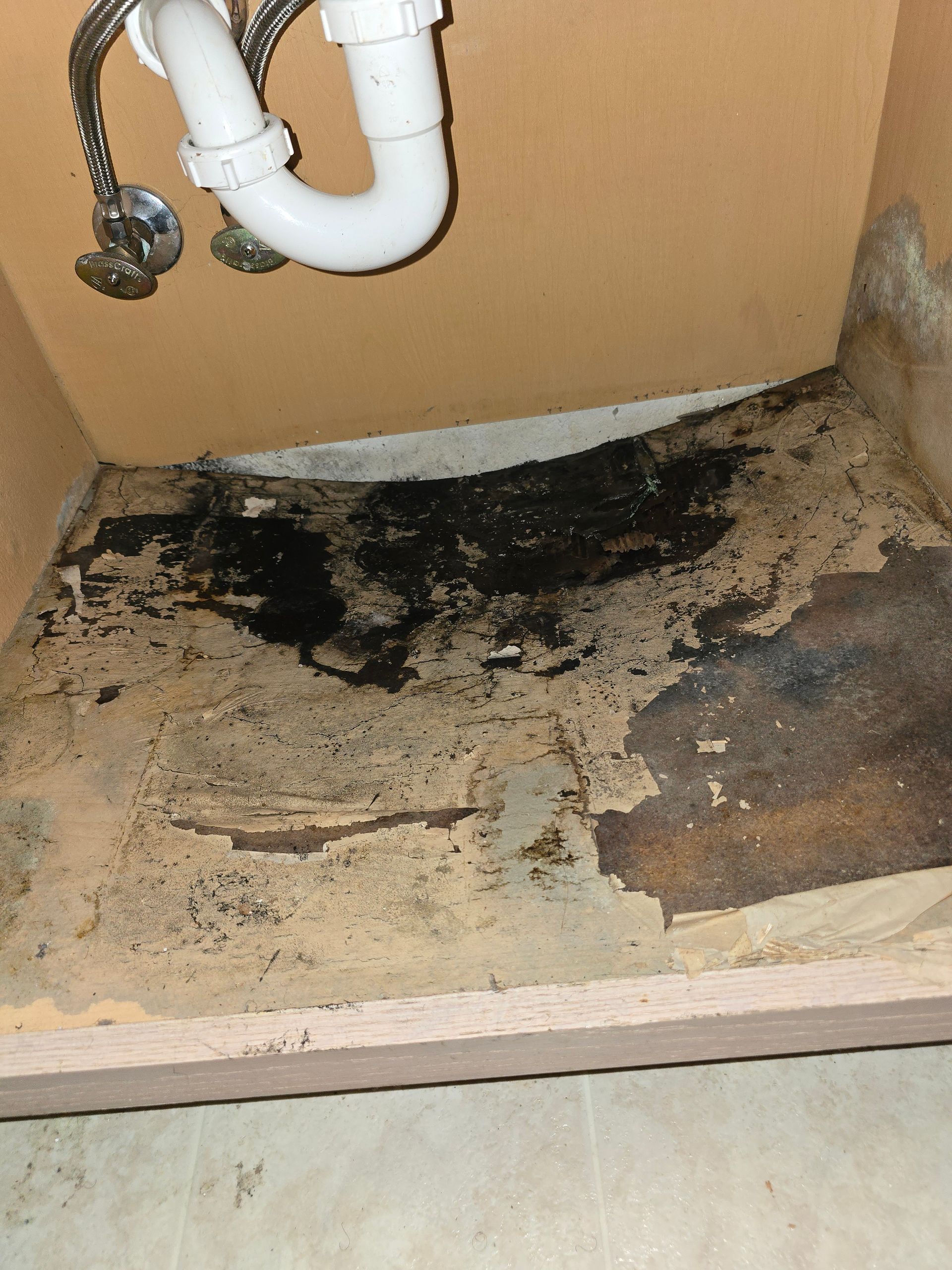
Mold and mildew thrive in dark, damp environments. When water leaks behind walls, beneath cabinets, or underneath flooring, it creates ideal conditions for microbial growth.
Many homeowners notice a persistent musty odor before they ever see visible damage. Others may discover mold forming around baseboards or inside closets that share plumbing walls.
Beyond property damage, mold exposure can create indoor air quality concerns. Identifying and correcting the source of moisture is often the first step toward resolving the problem and preventing future growth.
6. Cracks in Walls, Tile, or Flooring
Not every crack means you have a plumbing leak, but leaks beneath the foundation can contribute to shifting soil conditions over time.
As water saturates the soil beneath a home, expansion and contraction may occur. This movement can place stress on flooring materials, tile, sheetrock, and even portions of the foundation itself.
If cracks begin appearing alongside other warning signs such as increased water bills or warm floors, it's wise to have both the plumbing system and foundation evaluated promptly.
7. Wet Spots in the Yard
A leaking underground water line often reveals itself outside before homeowners notice problems indoors.
Soggy patches of grass, unusually green areas during dry weather, standing water, or soft soil can all indicate a buried water line leak. In some cases, homeowners may even hear water running near the affected area.
Because underground leaks waste significant amounts of treated water, early intervention can prevent escalating utility bills and extensive excavation later.
8. Your Water Meter Keeps Moving
One of the simplest leak tests homeowners can perform involves the water meter.
Turn off every faucet, appliance, irrigation system, and fixture that uses water. Then observe the meter. If the leak indicator continues moving or the reading changes over time, water is likely escaping somewhere within the system.
While this test doesn't identify the exact location, it can confirm that further investigation is warranted. Professional leak detection can then isolate and locate the problem.
9. Water Stains or Discoloration
Brown stains on ceilings, bubbling paint, warped trim, peeling wallpaper, or discoloration on sheetrock often indicate hidden moisture.
Unfortunately, by the time these visual symptoms appear, water may have been present for weeks or even months. The surrounding building materials may already be compromised.
Prompt evaluation can minimize damage and help determine whether repairs can remain localized or require more extensive restoration.
Brown stains on ceilings, bubbling paint, warped trim, peeling wallpaper, or discoloration on sheetrock often indicate hidden moisture.
Unfortunately, by the time these visual symptoms appear, water may have been present for weeks or even months. The surrounding building materials may already be compromised.
Prompt evaluation can minimize damage and help determine whether repairs can remain localized or require more extensive restoration.
10. You Have a Feeling Something Isn't Right
Homeowners know their homes better than anyone else. Sometimes the warning signs are subtle: a faint sound, an unusual smell, a slightly higher bill, or flooring that feels different underfoot.
Many of our leak detection calls begin with homeowners simply saying, "I can't explain it, but something seems off."
Trusting those instincts often leads to early discovery, smaller repairs, and significantly lower costs than waiting for a major failure to occur.
What Causes Hidden Plumbing Leaks?
Hidden leaks can develop for several reasons, including:
- Aging or deteriorating pipes
- Corrosion within older plumbing systems
- Foundation movement
- Excessively high water pressure
- Poor installation practices
- Loose fittings and connections
- Underground pipe damage
- Freeze-related expansion during severe winter weather
Understanding the cause can help determine the most effective repair strategy and reduce the likelihood of future problems.
How Professional Leak Detection Works
Modern leak detection has come a long way from tearing into walls and hoping for the best.
Depending on the situation, professional leak detection may include:
- Acoustic listening equipment
- Pressure testing
- Isolation testing
- Visual inspections
- Electronic detection methods
- Slab leak pinpointing techniques
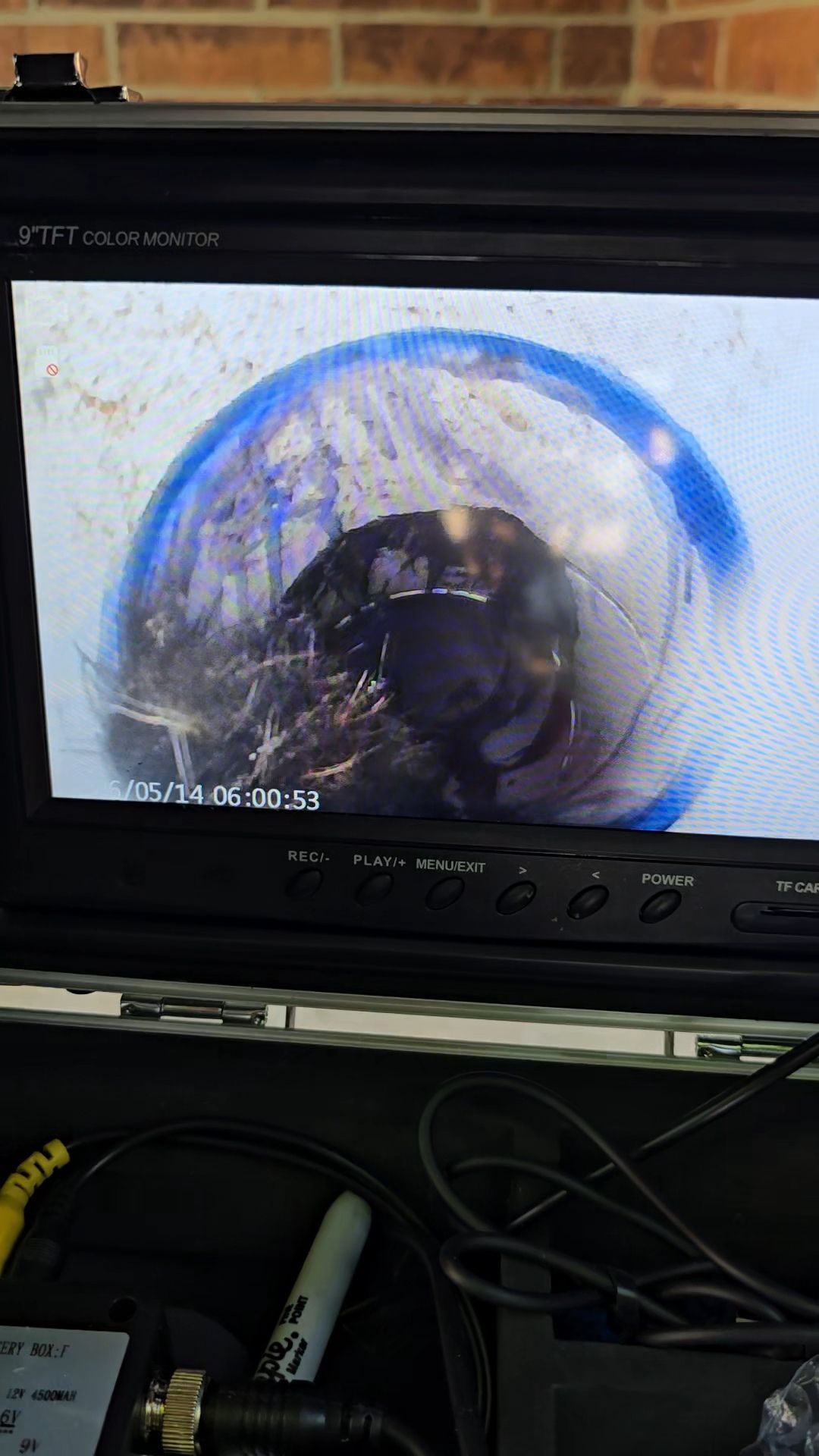
- Camera inspections when appropriate
The goal is to locate the problem accurately so repairs can be focused where they're needed, minimizing disruption to your home.
Don't Ignore the Warning Signs
Hidden leaks rarely improve on their own. The sooner they're identified, the less damage they typically cause.
If you've noticed rising water bills, warm floors, musty odors, low pressure, wet spots in the yard, or any of the other warning signs discussed above, professional leak detection can provide answers before a small issue becomes a major expense.